











A combat sports training bundle should solve a real problem: showing up to every session properly equipped, protected, and ready to work. It is not just a matching set or a shortcut through a shopping cart. The right bundle gives you the essentials for your discipline, fits the way you train, and holds up through pads, sparring rounds, drilling, conditioning, and competition preparation.
For athletes building a first kit, the goal is coverage without wasted gear. For experienced fighters, it is about replacing weak links and creating a dependable rotation. Start with the demands of your gym, then build outward from the equipment that takes the most impact.
Start With Your Discipline, Not the Design
Boxing, Muay Thai, MMA, Brazilian jiu-jitsu, and no-gi grappling all ask different things from your equipment. A clean-looking collection matters, but performance comes first. Your bundle should reflect the contact you make, the surfaces you train on, and the rules of your room.
A boxing setup is built around gloves, hand wraps, a mouthguard, and training apparel that stays comfortable through bag work and pad rounds. If you spar, add headgear when your gym requires it and choose a second pair of gloves if you want to keep your sparring gear separate from your bag gloves. That separation helps your gloves last longer and keeps your sparring pair cleaner and softer for partners.
Muay Thai athletes need the same striking foundation, plus shin guards that stay secure during checks, drills, and partner work. Muay Thai shorts are not just part of the look. Their cut allows you to throw knees, high kicks, and wide-range movement without fabric pulling at the hips. If clinch rounds are a regular part of your week, gear that shifts, twists, or feels restrictive becomes a distraction fast.
For MMA, your bundle must handle multiple ranges. You may need boxing gloves for striking class, MMA gloves for technique work, shin guards for kick drills, a mouthguard, and fight shorts or compression layers that move from wrestling entries to ground exchanges. A rash guard is useful for reducing mat friction and keeping your training kit consistent across grappling sessions.
BJJ athletes should begin with the uniform standard at their academy. For gi classes, that means a properly fitted gi and belt, with a rash guard underneath if that is your preference or your gym's policy. For no-gi, a fitted rash guard and durable fight shorts are the base. Add spats if you want more coverage during takedown drilling or mat-heavy sessions. Loose cotton shirts can ride up, catch fingers, and become uncomfortable quickly.
What Every Combat Sports Training Bundle Needs
The most useful bundles are built in layers. Begin with protection, then add technical apparel, then fill in the small items that keep you from borrowing gear or missing a session.
Protection Comes First
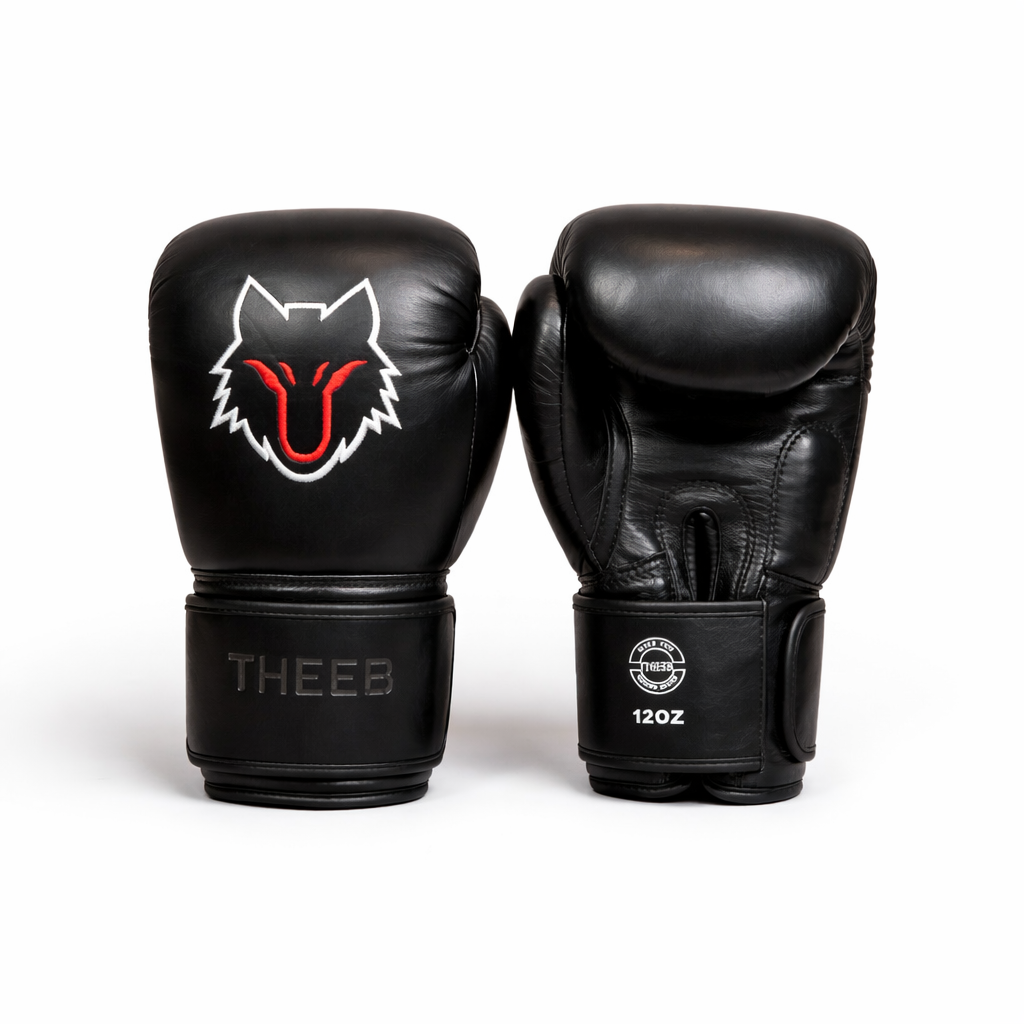
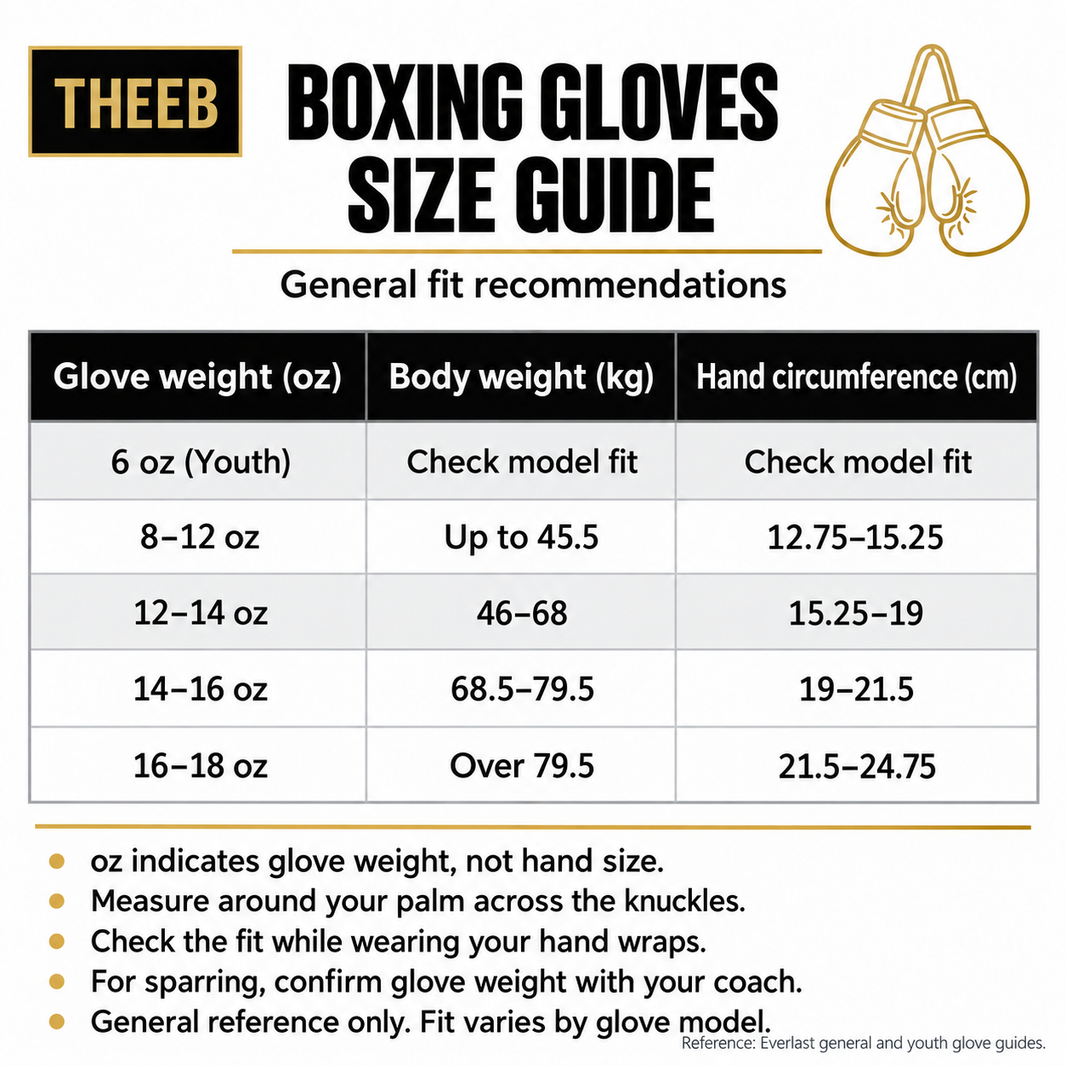
Your hands, teeth, and shins take repeated stress. Quality protection is the part of a bundle worth prioritizing, especially if you train several times per week. Genuine cowhide leather gloves are a strong choice for athletes who want durability and a broken-in feel over time. The correct glove weight depends on your body size, coach's rules, and how you use them. Many adult athletes use 12 oz or 14 oz gloves for bag and pad work, while 16 oz gloves are commonly required for sparring. Always follow your gym's policy before choosing.
Hand wraps support the wrist and help secure the small bones of the hand inside the glove. They are not optional for regular striking. Keep at least two pairs in your bundle so one pair can dry after training. A mouthguard belongs in every contact-focused setup, from boxing and Muay Thai to MMA and grappling. Even controlled rounds can become unpredictable.
For Muay Thai and MMA, shin guards need enough padding to protect both athletes without blocking natural movement. They should stay in place when you kick, check, pivot, and switch stance. If the straps constantly loosen or the guards rotate around your leg, the fit is wrong for you.
Apparel Should Move With the Session
Training apparel is equipment, not an afterthought. A rash guard should fit close enough that it does not bunch under you during scrambles, yet not feel restrictive across the shoulders. Fight shorts need a secure waistband and a cut that supports hip mobility. For boxing or fitness-based striking, lightweight tees, tanks, and shorts may be all you need, but look for pieces that hold their shape after repeated washing.
For gi training, sizing requires more attention than people expect. A gi that is too large gives grips away and feels heavy once soaked with sweat. One that is too tight can limit shoulder movement and make guard work uncomfortable. Check your academy's color and patch requirements before committing to a gi, particularly if you intend to compete.
Small Essentials Prevent Big Interruptions
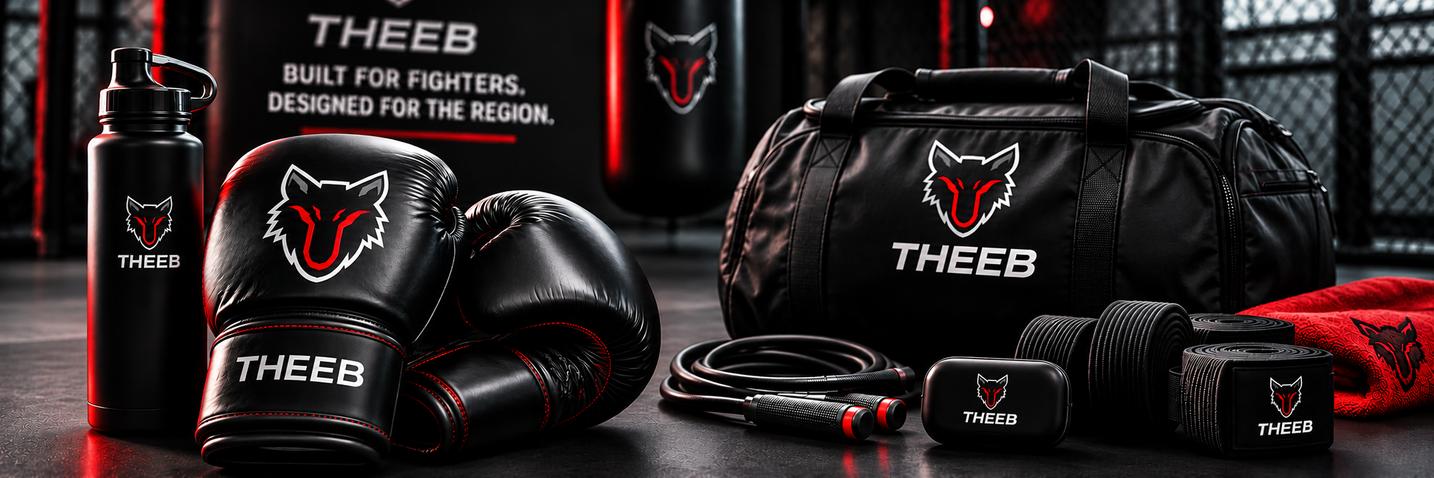
A complete bundle also includes the items that are easiest to forget: a gear bag, water bottle, towel, athletic tape, and a spare shirt or rash guard. You do not need to buy every accessory at once, but having backups becomes valuable once your training schedule grows.
If you train before work, after school, or between long commutes, a second set of wraps and apparel keeps your routine moving. In hot conditions, this is even more practical. Equipment needs time to air out. Packing damp gloves and sweaty rash guards into a closed bag until the next session is a fast way to create odor and shorten the life of your gear.
Build for Your Weekly Training Load
A two-day-per-week beginner does not need the same bundle as an athlete preparing for an amateur bout. Buying too much too early can leave you with unused gear. Buying too little can mean training in worn-out equipment before you have built consistent habits.
If you attend one or two mixed striking classes a week, start with gloves, wraps, a mouthguard, and sport-appropriate apparel. Add shin guards if your class includes kicking drills or sparring. This gives you a dependable base without overloading your bag.
At three to five sessions per week, build more redundancy into your bundle. Two rash guards or training shirts, two pairs of wraps, and dedicated sparring gloves make daily training easier. Grapplers may benefit from more than one gi or multiple no-gi sets, since clean gear is part of training etiquette as well as comfort.
Competitors should think in terms of rule sets and session types. Keep competition-approved equipment separate where possible. Confirm glove weight, shin guard style, gi color, rash guard requirements, and whether any branding restrictions apply. Your training bundle should never leave you scrambling for legal gear during fight week or tournament check-in.
Fit Is a Performance Decision
The best equipment on paper will not help if it does not fit your body. Gloves should feel secure around the wrist, with enough room for wrapped hands but no loose space at the fingertips. Shin guards should cover the areas that take contact without running into your ankle or knee when you move. A mouthguard should stay in place without needing to bite down constantly.
For apparel, pay attention to shoulder mobility, waistband security, and fabric recovery. Test a rash guard by reaching overhead and rotating your arms. Test fight shorts with a squat, knee raise, and lunge. A good fit disappears once the round starts. A poor fit becomes the only thing you notice.
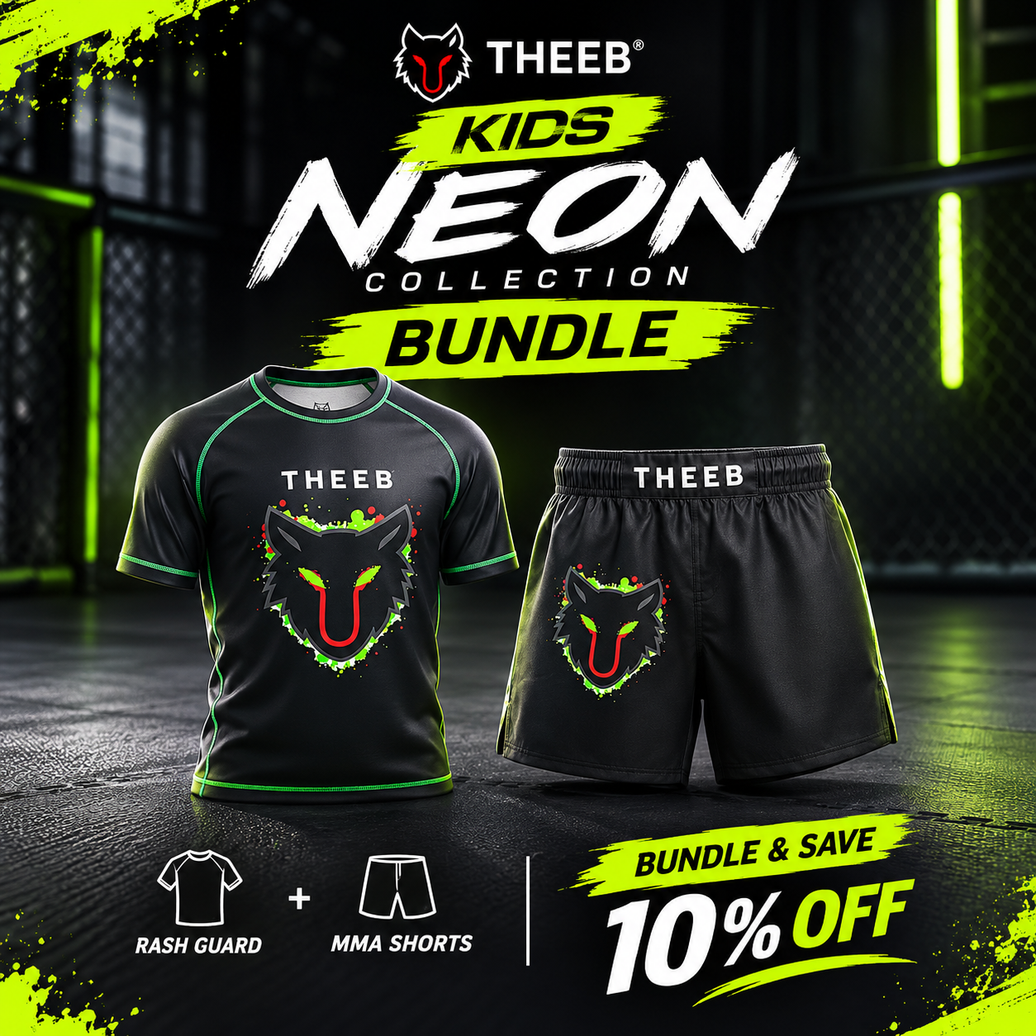
Youth bundles deserve the same attention. Children need youth-specific glove weights, correctly sized shin guards, and uniforms that allow movement without excess fabric. Avoid sizing far up just to get more wear out of a product. Protective equipment that shifts around does not protect as intended.
Build a Kit You Will Actually Use
A coordinated bundle makes preparation simple. Your gloves, guards, rash guard, shorts, and accessories should work together across the sessions you attend most often. Collections can bring a distinctive identity to the gym floor, whether your style is classic, bright, heritage-led, or clean and minimal. But the equipment still needs to earn its place after hard rounds.
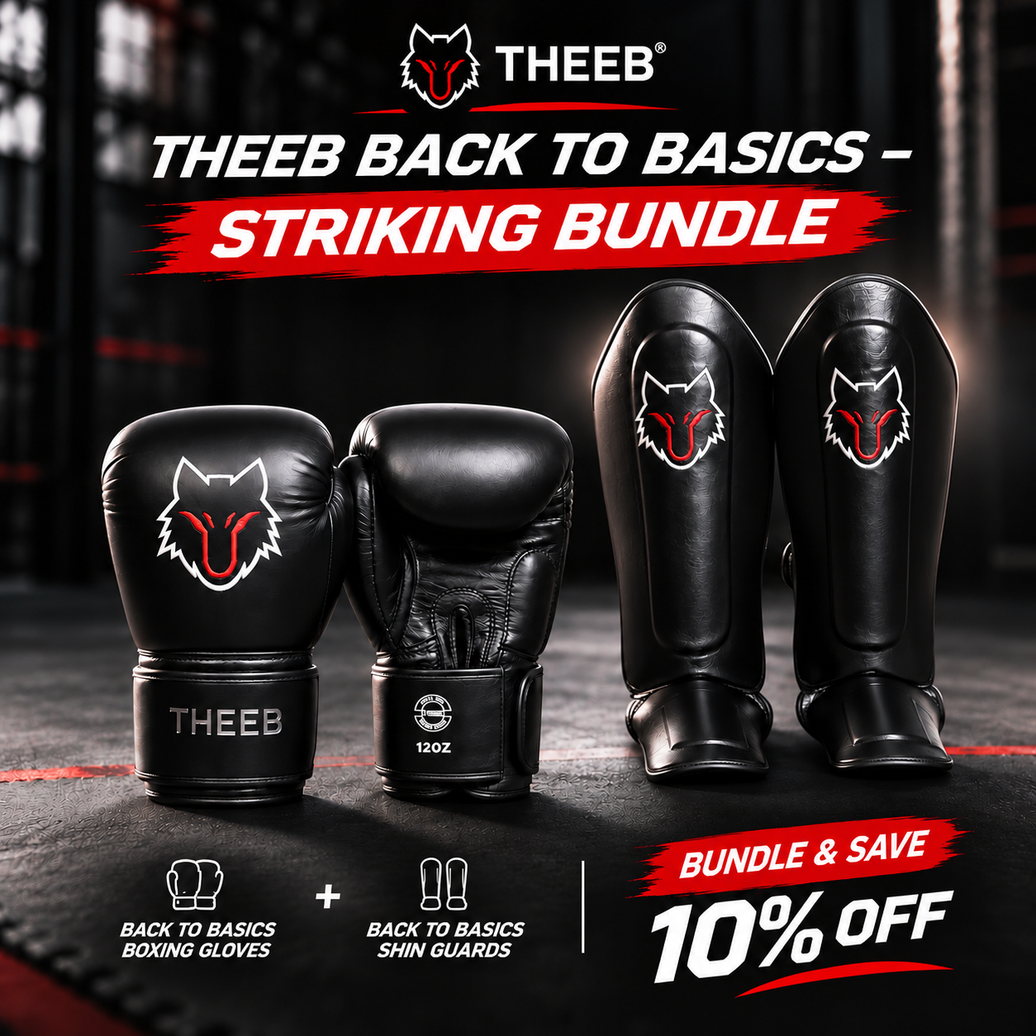
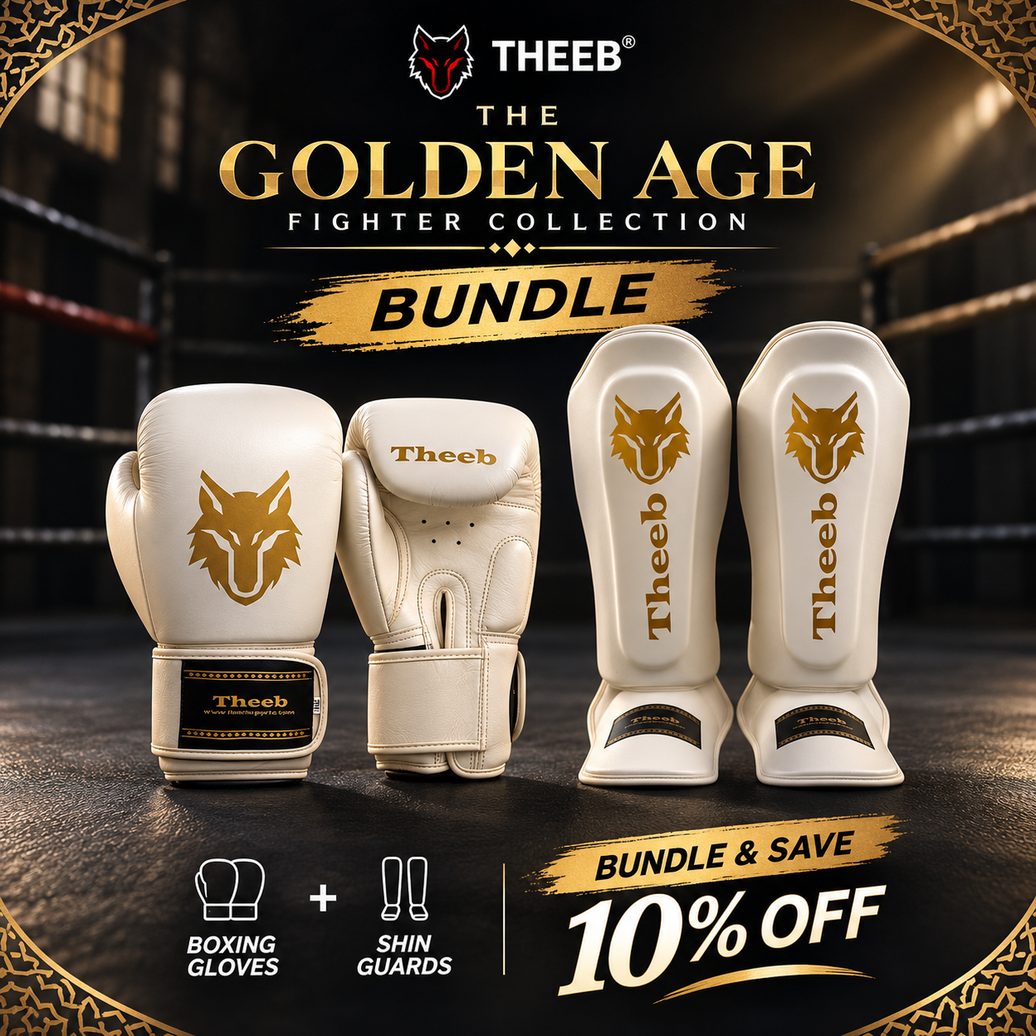
Theeb Sports builds sport-specific options for athletes who want that balance: professional-grade protection, practical fit choices, and fightwear designed in Dubai for a global training community. Choose the bundle that matches your discipline first, then select the colors and collection that represent how you train.
A serious kit does not need to be built in one day. Start with the pieces that protect you and let you train consistently. Add depth as your schedule, skills, and goals demand it. The right gear should make it easier to show up, put in rounds, and leave every session ready for the next one.